Arthritis in Dogs & Cats
Learn to recognize the signs of arthritis in dogs and cats and discover ways to reduce pain, improve mobility, and maintain a good quality of life.
Dr. Sofia Raldiris
DVM
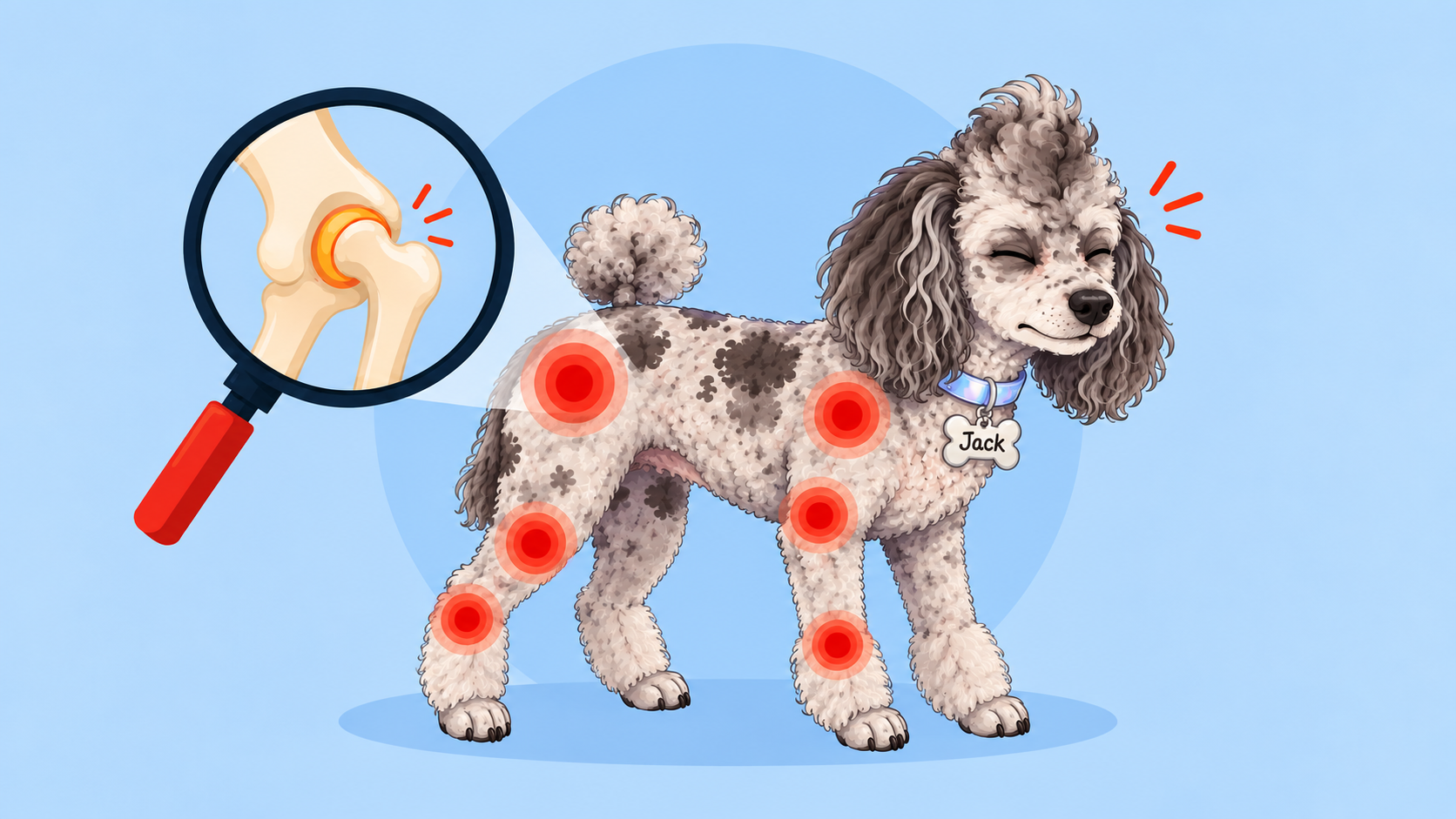
🦴ARTHRITIS IN DOGS & CATS
Arthritis, also called osteoarthritis (OA) or degenerative joint disease (DJD), is a progressive and irreversible condition that causes inflammation, pain, and degeneration of the joints.
Arthritis is extremely common in dogs and cats. In dogs, conditions such as hip dysplasia, previous injuries, abnormal joint development, and excess body weight can increase the risk.
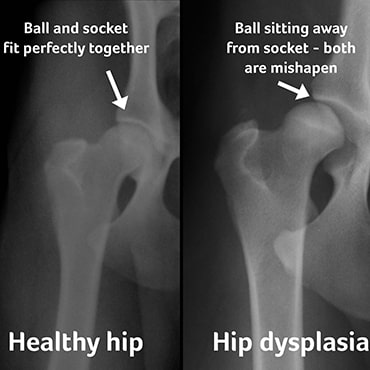
Cats also commonly develop arthritis, but they are much less likely to show obvious signs of pain. Changes that may seem like "normal aging" can actually be signs of arthritis.
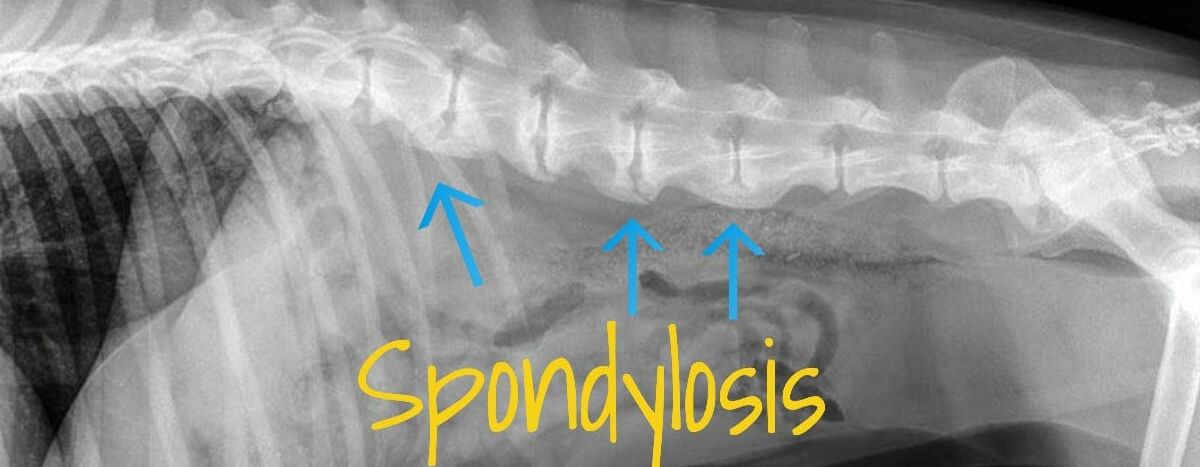
Spondylosis is a common age-related change in the spine that causes extra bone growth around the vertebrae.
Spondylosis can cause bone spurs to develop along the edges of the vertebrae. Over time, these spurs may become large enough to form bridges between neighboring vertebrae.
Pets are living longer lives, which means they are also more likely to develop age-related conditions like arthritis that require ongoing management.
⭐ SIGNS OF ARTHRITIS
🐶 Dogs
- Limping or lameness
- Stiffness, especially after resting
- Difficulty getting up or lying down
- Decreased activity or endurance
- Reluctance to run, jump, or play
- Difficulty going up or down stairs
- Difficulty getting into or out of the car
- Decreased range of motion
- Swollen or thickened joints
- A grinding or clicking sensation in the joints
- Muscle loss or weakness
- Changes in behavior due to pain
Lameness can be intermittent, progressive, or persistent.
🐱 Cats
Cats often show subtle behavioral changes rather than an obvious limp.
Watch for:
- Less activity
- Sleeping more
- No longer jumping onto furniture or previously accessible surfaces
- Difficulty getting onto high surfaces
- Using stairs less frequently
- Hiding more
- Irritability or changes in temperament
- Decreased grooming or a matted coat
- Difficulty getting into or out of the litter box
- Urinating or defecating outside the litter box
- Difficulty getting up or moving around
A cat does not have to limp to be in pain.
⚠️ In some cases, bone growth can put pressure on the spinal cord or nerves, causing weakness, lameness, or difficulty walking.
Please refer to our IVDD article for more information on spinal cord and nerve-related symptoms.
🩺 DIAGNOSIS
A diagnosis is based on your pet's medical history, physical and orthopedic examination, and sometimes imaging.
X-rays
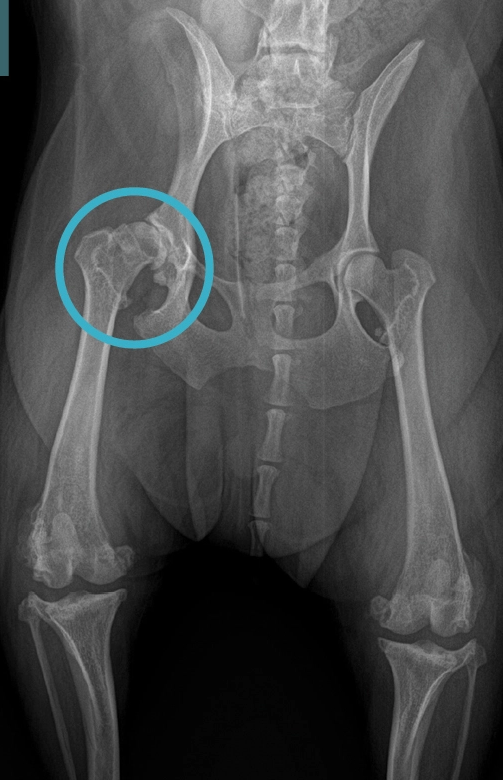
X-rays can identify changes such as arthritis, joint remodeling, spondylosis, bone spurs, and other orthopedic abnormalities.
CT scan or MRI scan
May be recommended when more detailed imaging is needed or when an X-ray does not provide enough information.
Additional testing may be recommended depending on your pet's age, medical history, and treatment plan.
💙 TREATMENT
The goals of arthritis treatment are to:
- Relieve pain and discomfort
- Reduce inflammation
- Maintain muscle mass and joint function
- Slow further degeneration when possible
- Improve mobility and quality of life
- Keep your pet active and comfortable
⭐ BEST RESULTS = MULTIMODAL THERAPY
The best results are usually achieved by combining several treatments rather than relying on one medication or supplement.
Every pet is different, so treatment should be individualized based on its age, weight, lifestyle, pain level, other medical conditions, and response to therapy.
⚖️ MAINTAIN A HEALTHY WEIGHT
Weight management is one of the most important parts of arthritis care.
If your pet is overweight, reducing calorie intake and achieving a healthy body weight can significantly decrease stress on the joints and muscles and improve mobility.
Your veterinarian can help establish a safe weight-loss plan.
Check out our article on obesity for more information on managing the excess weight.
Controlled, Low-Impact Exercise
Daily, controlled exercise can help maintain:
- Joint mobility
- Muscle mass
- Strength
- Exercise tolerance
Good options may include:
- Walking
- Swimming
- Controlled play
- Physical rehabilitation exercises
Consistency is more important than intensity.
Avoid excessive exercise that causes your pet to become painful afterward.
In Puerto Rico, mobile pet gyms such as Pawletics can help you exercise your pet.
💊 JOINT SUPPLEMENTS
Joint supplements are generally slow-acting and may take approximately 4–8 weeks before benefits are noticeable.
Omega-3 Fatty Acids
Omega-3 fatty acids, particularly EPA and DHA, have some of the strongest evidence for improving clinical signs of osteoarthritis in dogs.
A veterinary fish oil product dosed according to its EPA/DHA content is preferred, as human formulas may not provide the appropriate dose for pets.
Options may include:
Royal Canin
- Joint Dog Supplement Soft Chews for Adult Dogs
Welactin
- Welactin Advanced 3TA for dogs
- Welactin Omega-3 Soft Chews for dogs
- Welactin Canine Omega-3 Soft Gels for dogs
- Welactin Feline Omega-3 Fish Oil for cats
- Welactin Tidbits Chews for cats
Nordic Naturals
- Nordic Naturals Omega-3 Soft Gels for dogs
- Nordic Naturals Omega-3 Fish Oil for dogs
Flexadin
- For dogs and cats
- Contains UC-II collagen and Vitamin E
🛒 Looking for joint-health products to support your pet’s mobility? Explore some of our recommended options below.
Glucosamine & Chondroitin
Glucosamine and chondroitin are commonly used as joint-support supplements. Evidence for their effectiveness is less consistent than for omega-3 fatty acids, but they can be a reasonable adjunct for some pets.
Options include:
Dasuquin
- Dasuquin Senior Soft Chews for Dogs + Omega-3
- Dasuquin MSM Soft Chews for Dogs
- Dasuquin MSM Chewable Tablets for Dogs
- Dasuquin Soft Chews for Cats
- Dasuquin Sprinkle Capsules for Cats
Cosequin Senior
- + Omega-3 Fatty Acids & MSM
🛒 Looking for joint-health products to support your pet’s mobility? Explore some of our recommended options below.
CBD
CBD products are sometimes used as an adjunct for pain and anxiety.
If you are considering CBD, discuss the specific product and dosing with your veterinarian.
ElleVet is one veterinary-specific option.
Other Joint Supplements
Green-lipped mussel (Perna canaliculus) and other joint-support ingredients may also be used.
Choose supplements recommended by your veterinarian or products carrying the National Animal Supplement Council (NASC) Quality Seal.

🍽️ JOINT-SUPPORT DIETS
Prescription diets formulated for joint health can provide additional nutritional support while helping maintain an appropriate body weight.
Options include:
- Hill's Science Diet j/d
- Royal Canin Mobility Support
Your veterinarian can help determine whether a joint-support diet is appropriate for your pet.
🛒 Looking for joint-health products to support your pet’s mobility? Explore some of our recommended options below.
💪 MUSCLE SUPPORT
Maintaining muscle mass is extremely important for pets with arthritis because strong muscles help support painful joints.
Muscle-support products:
- Urolyx
- Myos Muscle Formula
These contain ingredients such as ursolic acid and are intended to support muscle mass, strength, and function.
These products work best when combined with appropriate exercise and nutritional management.
🛒 Looking for joint-health products to support your pet’s mobility? Explore some of our recommended options below.
💊 MEDICATIONS FOR ARTHRITIS PAIN
Anti-Inflammatory Medications / NSAIDs
NSAIDs are fast-acting medications that reduce inflammation and pain associated with arthritis.
- Carprofen (Rimadyl)
- Galliprant
They may be prescribed daily or on an as-needed basis depending on your pet's individual needs.
Blood work is important before and during long-term NSAID therapy to evaluate kidney and liver function and help ensure the medication remains safe for your pet.
⚠️Never give your pet human pain medications unless specifically instructed by your veterinarian.
Pain Medications
Additional medications may be used when NSAIDs alone are not enough or when an NSAID is not appropriate.
Depending on the patient, options may include:
- Gabapentin
- Amantadine
- Tramadol
- Other veterinarian-prescribed pain medications
Treatment may be daily or used as needed depending on your pet's condition.
💉 MONOCLONAL ANTIBODY THERAPY
Monoclonal antibody injections specifically target pain pathways associated with osteoarthritis.
They are administered once monthly.
Dogs: Librela
Cats: Solensia
These medications can be particularly helpful for pets that need long-term arthritis pain management or cannot tolerate certain oral medications.
💉 ADEQUAN
Adequan is an injectable joint-support medication containing polysulfated glycosaminoglycan (PSGAG).
It has chondroprotective and anti-inflammatory properties and may help improve joint health and mobility.
A typical initial treatment schedule may be:
- Twice weekly for 4 weeks OR Once weekly for 8 weeks
- Then given monthly maintenance injections, depending on the patient's response.
🩺 REHABILITATION & OTHER THERAPIES
Rehabilitation can be an important part of arthritis management.
Options may include:
- Physical rehabilitation
- Swimming or underwater treadmill therapy
- Laser therapy
- Acupuncture
- Therapeutic exercises
- Weight management programs
- Other rehabilitation modalities
These therapies can help improve strength, flexibility, balance, and mobility while reducing stress on painful joints.
🌐 FisioVet Coamo
For veterinary rehabilitation and physical therapy services in Puerto Rico, visit FisioVet Coamo to learn more about their services and available treatment options.
🏠 MAKING YOUR HOME ARTHRITIS-FRIENDLY
Small environmental changes can make a significant difference.
Consider:
- Non-slip rugs or mats on slippery floors, or non-slip booties when appropriate
- Ramps or steps to favorite furniture or outdoor areas
- Orthopedic or supportive bedding
- Easy access to food and water
- For cats, a low-entry litter box
- Keeping frequently used resources on the same floor
- Avoiding unnecessary jumping or climbing
🩻 WHEN IS SURGERY RECOMMENDED?
Some orthopedic conditions causing arthritis may benefit from surgery, particularly when there is severe joint disease, structural abnormalities, or pain that cannot be adequately controlled medically.
Depending on the affected joint and underlying condition, procedures may include a femoral head and neck ostectomy (FHO) or other orthopedic surgeries.
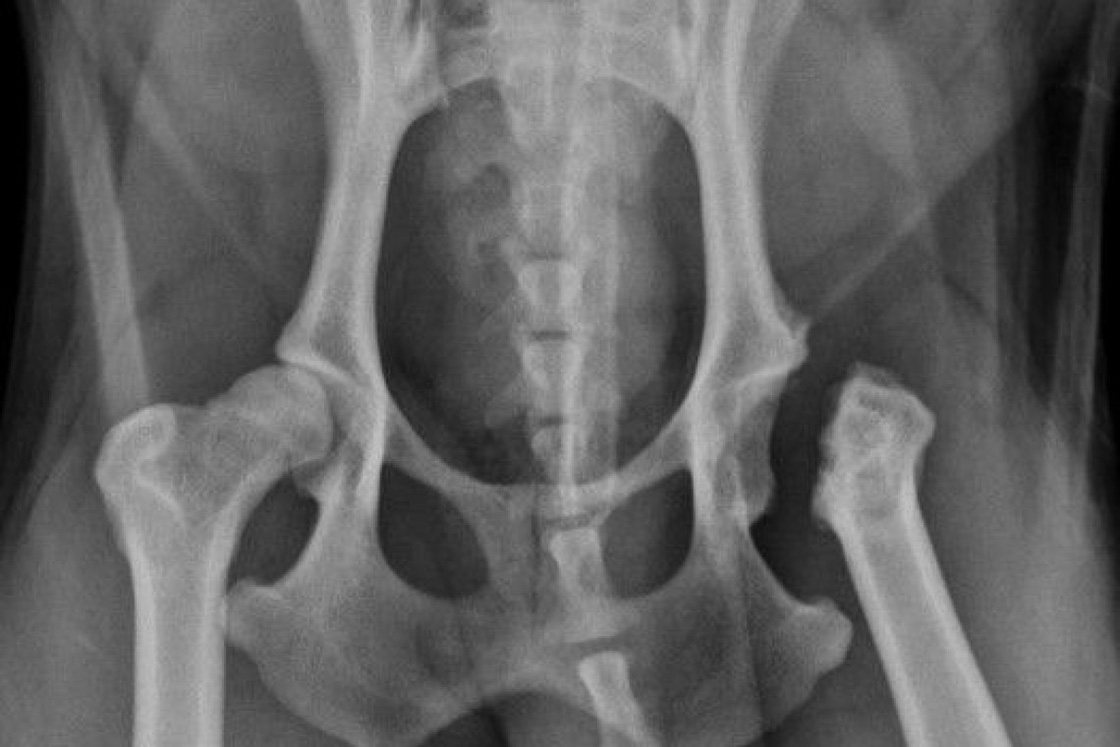
Your veterinarian may recommend consultation with a veterinary orthopedic surgeon when appropriate.
❤️ QUALITY OF LIFE MATTERS
Arthritis cannot be cured, but it can be managed.
The goal is not simply to make your pet "less painful." The goal is to help your pet move comfortably, maintain muscle, participate in normal activities, and enjoy a good quality of life.
Talk to Your Veterinarian If You Notice:
- Your pet is slowing down
- Your dog no longer wants to go on walks
- Your cat stops jumping
- Your pet has difficulty getting up
- Your pet is sleeping or hiding more
- Your pet becomes irritable
- Your pet is grooming less
- Your pet has difficulty using the stairs or litter box
⚠️Don't assume these changes are simply a normal part of aging. Pain and arthritis are treatable, and early intervention can help your pet stay comfortable and active for longer.
🛒 RECOMMENDED JOINT HEALTH PRODUCTS
There are many joint-health products and supplements available for dogs and cats, but not all products provide the same benefits. We’ve selected options that we believe may be helpful additions to your pet’s overall joint-care routine.
🌐 View Our Recommended Joint Health Products
Remember: Joint-health products and supplements may help support mobility, but they do not replace a complete arthritis-management plan. Your veterinarian can help determine which options are appropriate for your pet based on their individual needs.
❓HAVE MORE QUESTIONS?
We’re here to help you keep your furbaby happy, healthy, and thriving! ❤️
For additional pet health information, visit Veterinary Partner by VIN—a trusted resource with veterinarian-written articles.
🔎 Tip: Search “VIN + your question” on Google for easier results, as the website’s search feature can be a little tricky.
📞 And remember, calling us is always free!
If you have questions or concerns about your pet, please don’t hesitate to reach out. We’re happy to help. 🐾