Intervertebral Disc Disease (IVDD) in Dogs
Learn about intervertebral disc disease (IVDD) in dogs, including common signs, treatment options, and recovery. Discover how to recognize spinal problems early and help protect your dog's mobility.
Dr. Sofia Raldiris
DVM
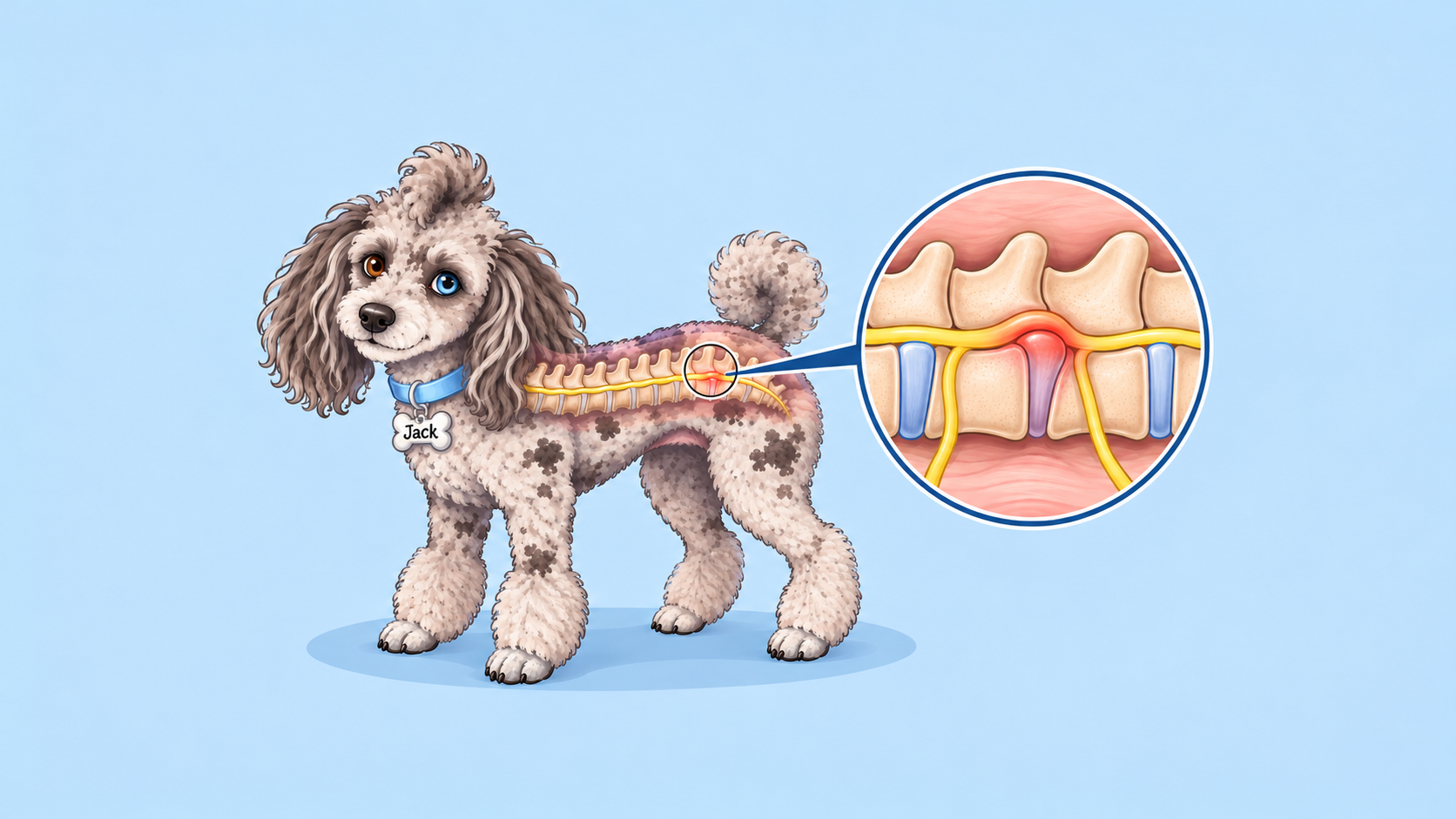
INTERVERTEBRAL DISC DISEASE (IVDD) IN DOGS
IVDD is a potentially serious condition that requires prompt veterinary evaluation.
Dogs that suddenly become unable to walk need emergency veterinary care.
🔍 WHAT IS IVDD?
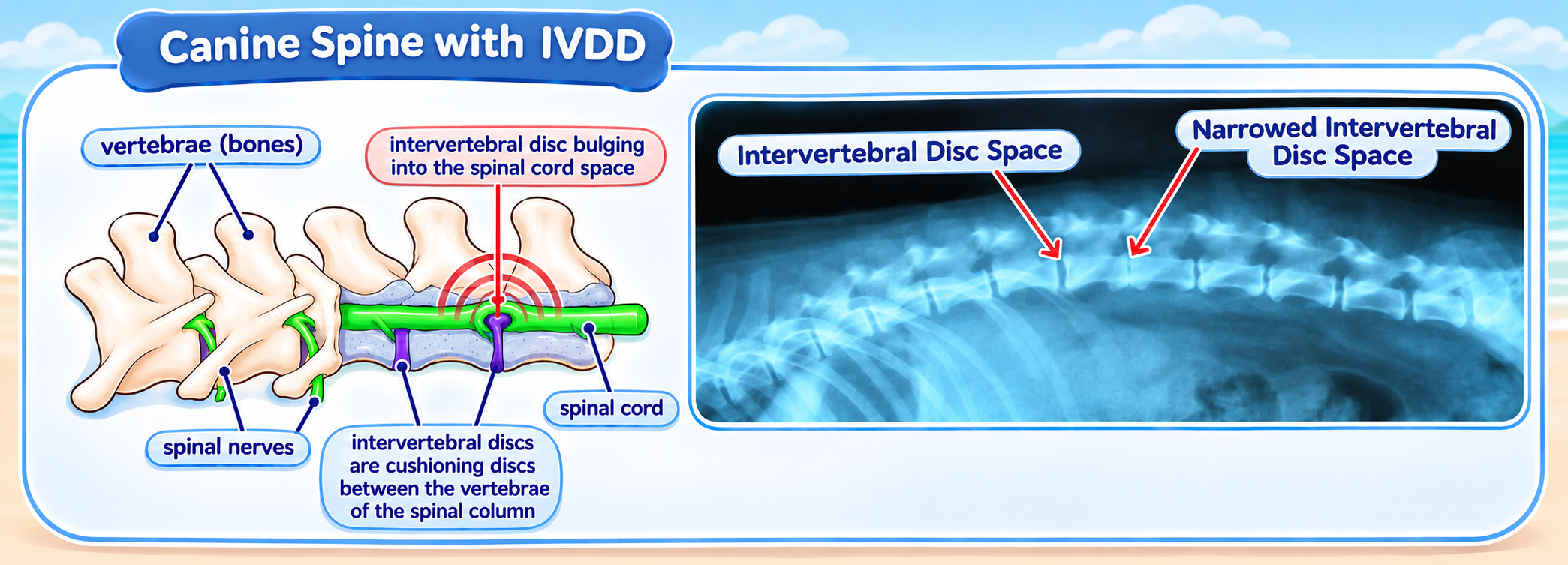
Intervertebral disc disease (IVDD) can occur when a disc suddenly ruptures or gradually bulges into the spinal canal, compressing the spinal cord.
IVDD can develop suddenly or gradually, causing anything from back or neck pain to weakness, difficulty walking, or paralysis.
It is particularly common in:
- Dachshunds
- French Bulldogs
- Pugs
- Boston Terriers
- Beagles
- Shih Tzus
Older, larger breeds, such as German Shepherds, can also develop IVDD.
Any dog can be affected.
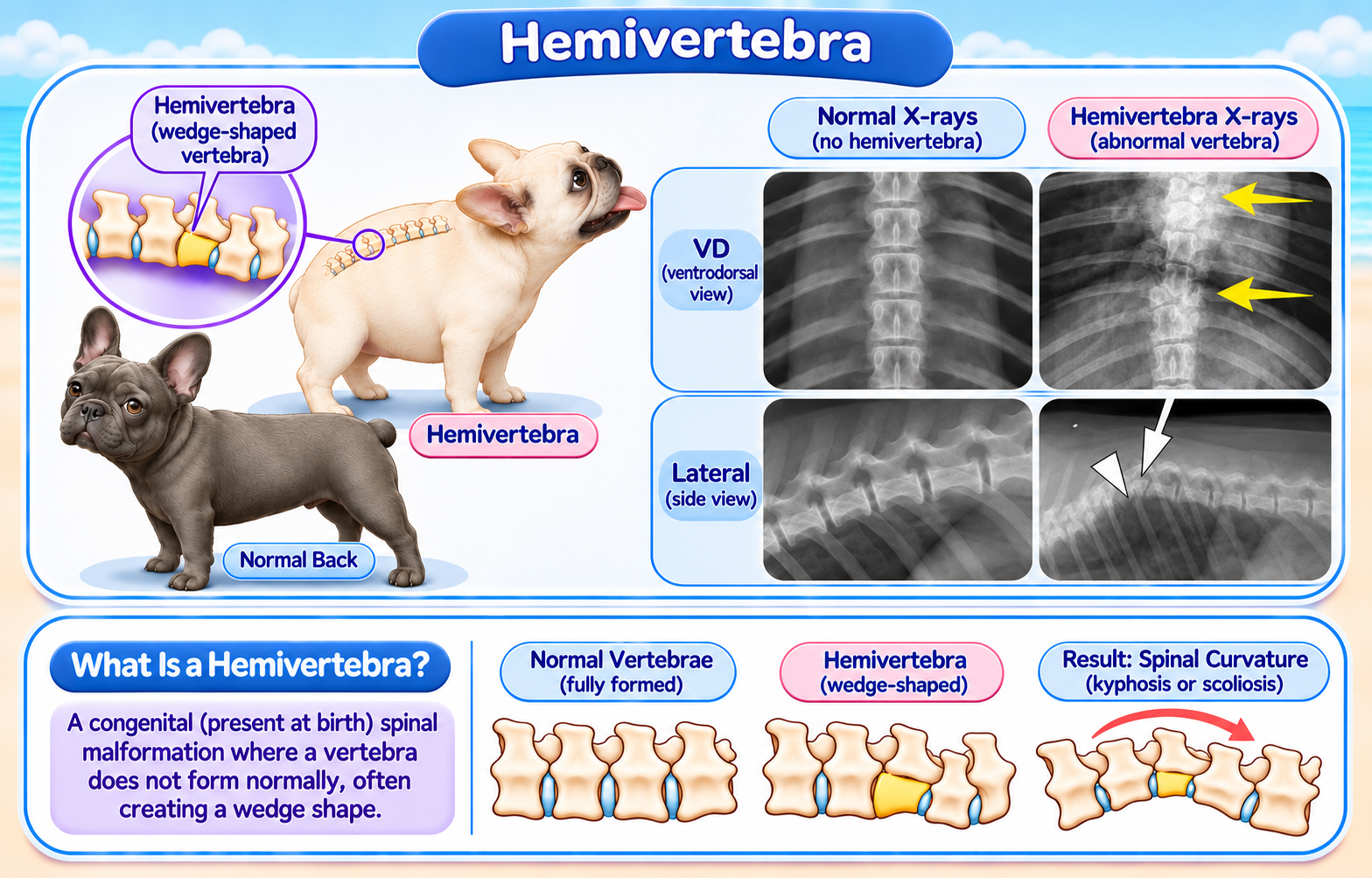
🦴 Hemivertebrae
Hemivertebrae are congenital spinal abnormalities in which one or more vertebrae develop an unusual, wedge-shaped appearance, potentially causing the spine to curve or twist.
They are very common in French Bulldogs and are also seen in English Bulldogs and Pugs.
Not all dogs develop symptoms, but abnormal vertebrae can sometimes compress the spinal cord, causing pain, weakness, and difficulty walking.
Hemivertebrae are different from IVDD, but both conditions can affect the spinal cord and cause similar neurological signs.
🔍 SIGNS OF IVDD
Signs may appear suddenly or develop gradually, depending on the location and severity of the affected disc.
Watch for:
- Neck or back pain.
- Hunched posture or stiffness.
- Reluctance to move, jump, or climb stairs.
- Crying out when touched or picked up.
- Weakness in one or more legs.
- Wobbling, stumbling, or dragging the paws.
- Knuckling over (walking on the tops of the paws).
- Difficulty standing or walking.
- Loss of bladder or bowel control.
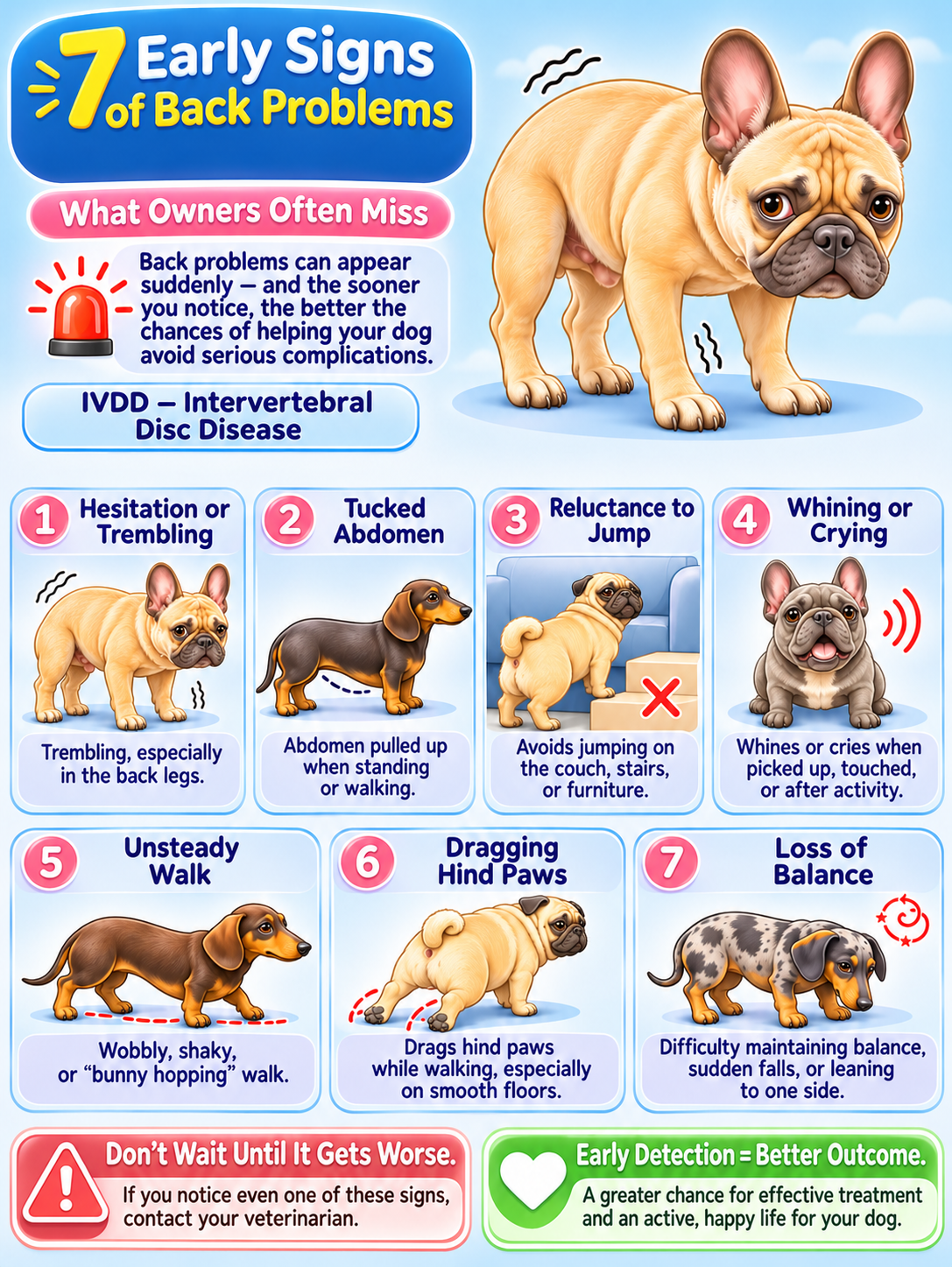
Some dogs show only pain, while others develop significant weakness or paralysis.
⚠️ EMERGENCY: Sudden inability to walk, worsening weakness, paralysis, or inability to urinate requires immediate veterinary attention.
🩺 DIAGNOSIS
Diagnosis involves a physical and neurological examination to evaluate your dog's pain, reflexes, coordination, and ability to walk.
X-Rays
X-rays are recommended to help evaluate the vertebrae and identify spinal abnormalities, but they cannot confirm a herniated disc or determine the degree of spinal cord compression.
MRI or CT Scan
Advanced imaging may be recommended to locate the affected disc and evaluate spinal cord compression.
- MRI: Provides detailed images of the spinal cord, discs, and surrounding soft tissues.
- CT scan: Helps identify mineralized disc material and evaluate spinal structures.
These tests help determine the best treatment approach, including whether surgery is necessary.
💙 TREATMENT OPTIONS
Treatment depends on the severity of the condition and whether your dog has pain, weakness, or difficulty walking.
The goals are to relieve pain, prevent further spinal cord injury, and restore mobility when possible.
Conservative Management
Dogs with mild, stable signs may be treated without surgery.
🛏️ Strict Rest Is Essential
Crate rest is generally recommended for approximately 4–6 weeks, sometimes longer depending on the severity of the injury and your veterinarian's recommendations.
Activity should be limited to short, controlled leash outings for bathroom breaks. Running, jumping, playing, and climbing stairs should be avoided.
Even if your dog feels better after a few days, completing the recommended rest period is essential to support recovery and reduce the risk of further injury.
Once cleared by your veterinarian, gradually reintroduce normal activities. Increase exercise slowly and follow your veterinarian's recommendations before allowing unrestricted play, running, or jumping.
💊 Medications
Give all prescribed medications exactly as directed.
Contact your veterinarian if your pet experiences repeated vomiting, diarrhea, loss of appetite, or other concerning side effects.
⚠️ Never give your pet human pain medications without specific instructions from your veterinarian.
Anti-Inflammatory Medications
Anti-inflammatory medications help reduce inflammation and relieve pain. The two main categories used in veterinary medicine are non-steroidal anti-inflammatory drugs (NSAIDs) and corticosteroids (steroids).
NSAIDs are generally preferred when appropriate. Steroids may be considered in selected cases depending on the patient's condition.
⚠️ IMPORTANT: Never combine NSAIDs and steroids. Doing so significantly increases the risk of gastrointestinal ulcers, bleeding, and other serious complications.
If switching between these medications, a veterinarian-directed washout period is necessary before starting the new medication.
NSAIDs (Non-Steroidal Anti-Inflammatory Drugs)
NSAIDs help reduce inflammation and pain.
Common examples include:
- Carprofen (Rimadyl)
- Galliprant
- Meloxicam
Depending on your pet's condition, these medications may be prescribed daily or as needed. Treatment duration varies, but they are commonly used for 14–30 days following an episode.
Monitoring: Baseline and periodic blood work may be recommended to evaluate kidney and liver function, particularly with prolonged treatment.
Steroids (Corticosteroids)
Steroids, such as prednisone or prednisolone, are powerful anti-inflammatory medications that may be prescribed in selected cases.
Common side effects include:
- Increased appetite.
- Increased thirst and urination.
- Panting.
- Weight gain, particularly with prolonged use.
Steroids should be used at the lowest effective dose for the shortest appropriate duration.
Pain Medications
Additional medications may be prescribed to improve comfort and manage nerve-related pain.
Depending on the patient, options may include:
- Gabapentin
- Amantadine
- Tramadol
- Other veterinarian-prescribed pain medications
Treatment may be daily or used as needed depending on your pet's condition.
Muscle Relaxants
Methocarbamol (Robaxin) is a muscle relaxant commonly used in dogs with IVDD to help relieve muscle spasms, stiffness, and associated discomfort.
Common side effects include:
- Drowsiness or sedation.
- Weakness or incoordination.
- Occasionally, gastrointestinal upset.
Always administer as prescribed by your veterinarian. Your dog's dose and treatment duration will depend on the severity of the symptoms and response to treatment.
💊 Recommended Medication Tapering Protocol
As your dog improves, medications may be gradually reduced or discontinued according to the following schedule:
- Methocarbamol: Continue every 12 hours for 1 week, then discontinue.
- Gabapentin: Continue for 2 weeks, gradually reducing frequency from every 8 hours to every 24 hours as needed (PRN), based on comfort and clinical response.
- Rimadyl (Carprofen): Continue for 3 weeks, then discontinue and reassess your dog's condition with your veterinarian.
Monitor for Recurring Signs
If symptoms return or worsen at any point during medication reduction, return to the last effective dose or schedule only as directed by your veterinarian and contact your veterinary team for reassessment.
Do not restart, increase, or combine medications without veterinary guidance.
🦴 Joint Supplements
Some dogs with IVDD may also have osteoarthritis (OA), particularly older dogs or those with concurrent orthopedic conditions. Supporting overall joint health can help maintain mobility and comfort.
🌐 Learn more about joint supplement options in our article on Arthritis in Dogs and Cats.
When Is Surgery Recommended?
Surgery may be necessary for dogs with severe or worsening neurological signs, especially those that can no longer walk independently or do not improve with conservative treatment.
The goal is to remove the herniated disc material compressing the spinal cord and relieve pressure.
Common surgical procedures include:
- Hemilaminectomy: Removes a portion of the vertebra to access and remove herniated disc material, typically in the middle or lower back.
- Ventral Slot: Provides access to herniated disc material in the neck.
IVDD surgery can be time-sensitive. Dogs experiencing paralysis or loss of the ability to walk need immediate veterinary evaluation and may require emergency surgery.
💙 PROGNOSIS AND RECOVERY
Recovery depends on the severity of the spinal cord injury and whether your dog retains deep pain perception.
Dogs with mild signs generally have a good prognosis. Even dogs that lose the ability to walk may recover with surgery and appropriate care.
Dogs that have lost deep pain perception have a more guarded prognosis and require immediate specialist evaluation.
Recovery can take weeks to months and may require strict rest, nursing care, and rehabilitation. Severe injuries can result in permanent weakness, paralysis, or bladder dysfunction.
🏡 RECOVERY AND HOME CARE
Recovery from IVDD requires careful management at home, whether your dog undergoes surgery or receives conservative treatment.
Physical rehabilitation can help restore strength, coordination, and mobility during recovery. Exercises may include assisted walking, gentle stretching, and balance training.
Always follow your veterinarian's recommendations. Rehabilitation should be tailored to your dog's condition and stage of recovery.
🌐 FisioVet Coamo
🐾 PREVENTION AND HOME CARE
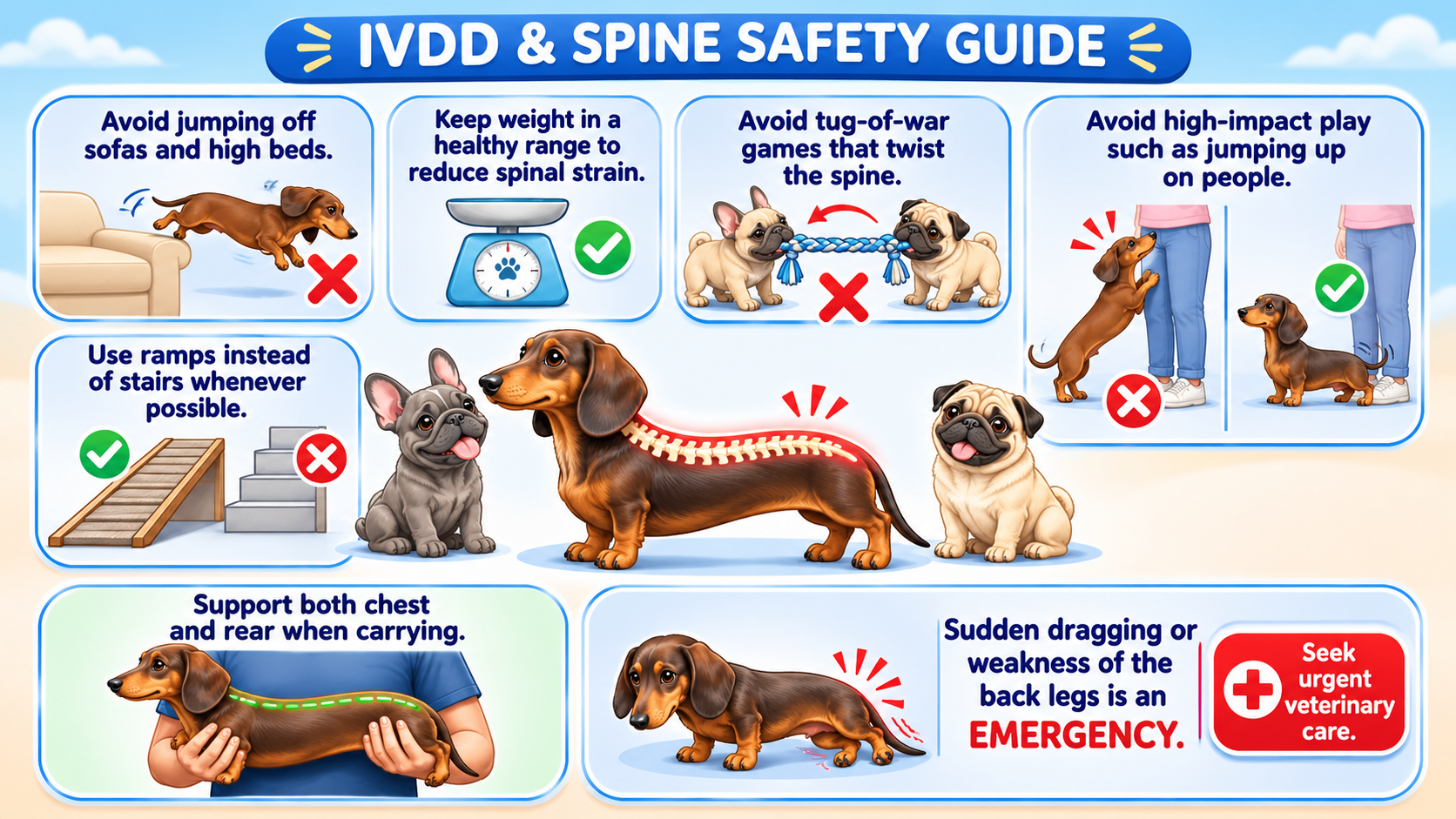
IVDD can happen again, even after successful treatment. While recurrence cannot always be prevented, you can help reduce spinal stress:
- Maintain a healthy body weight.
- Use a harness instead of a neck collar when appropriate.
- Minimize jumping on and off furniture.
- Use ramps or steps when appropriate.
- Follow your veterinarian's exercise recommendations.
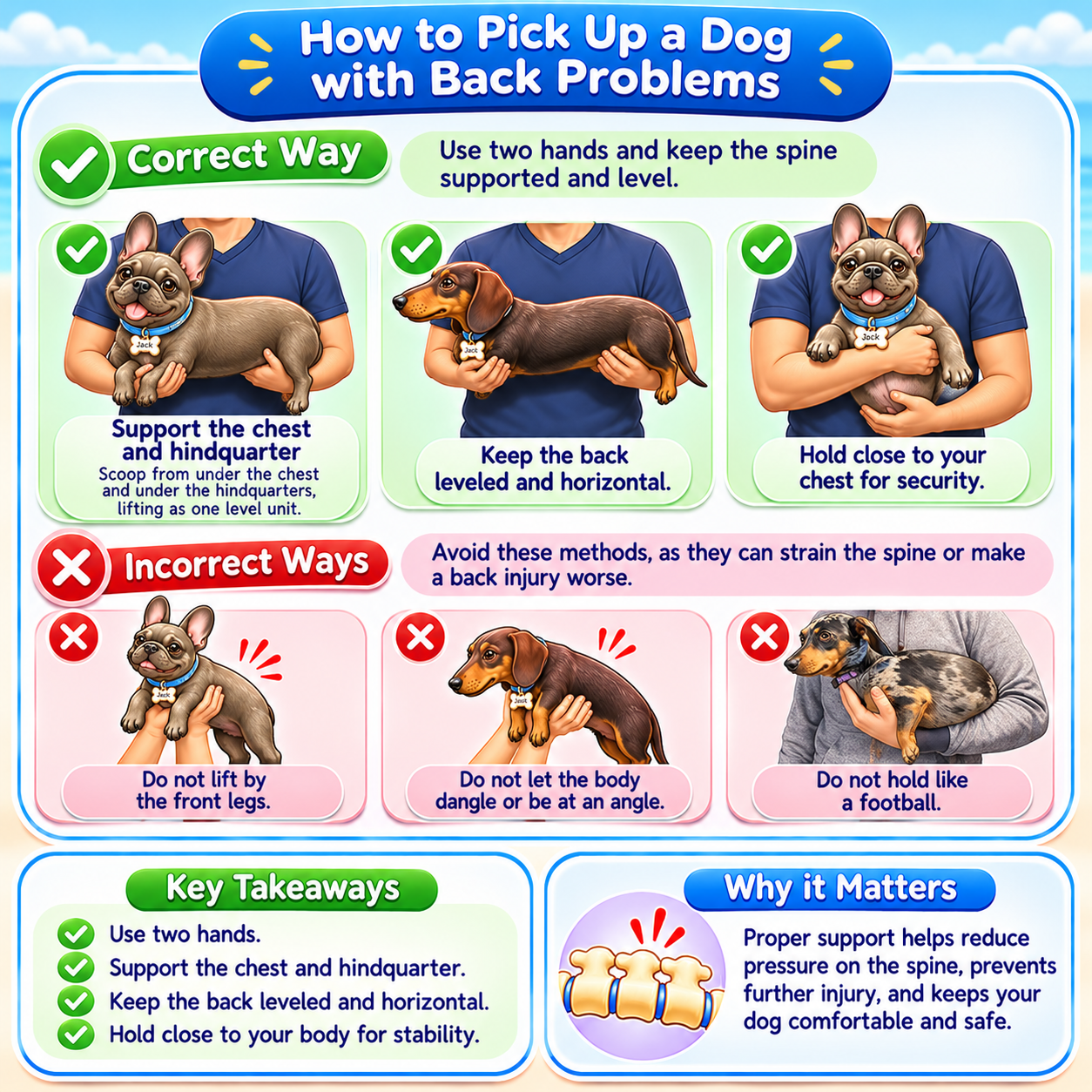
How to Pick Up Your Dog
If your dog has back problems, proper handling is important:
- Use both hands to support the chest and hindquarters.
- Keep the spine level and horizontal.
- Hold your dog close to your chest for support.
- Never lift by the front legs or allow the back to dangle.
If your dog develops back pain, weakness, difficulty walking, or loss of bladder control, seek veterinary attention promptly. Sudden paralysis or inability to walk is an emergency.
❓HAVE MORE QUESTIONS?
We’re here to help you keep your furbaby happy, healthy, and thriving! ❤️
For additional pet health information, visit Veterinary Partner by VIN—a trusted resource with veterinarian-written articles.
🔎 Tip: Search “VIN + your question” on Google for easier results, as the website’s search feature can be a little tricky.
📞 And remember, calling us is always free!
If you have questions or concerns about your pet, please don’t hesitate to reach out. We’re happy to help. 🐾