Diabetes in Dogs & Cats
Learn how to recognize the signs of diabetes in your pet, understand insulin and nutrition, and know what to monitor at home—including when diabetes or low blood sugar becomes an emergency.
Dr. Sofia Raldiris
DVM
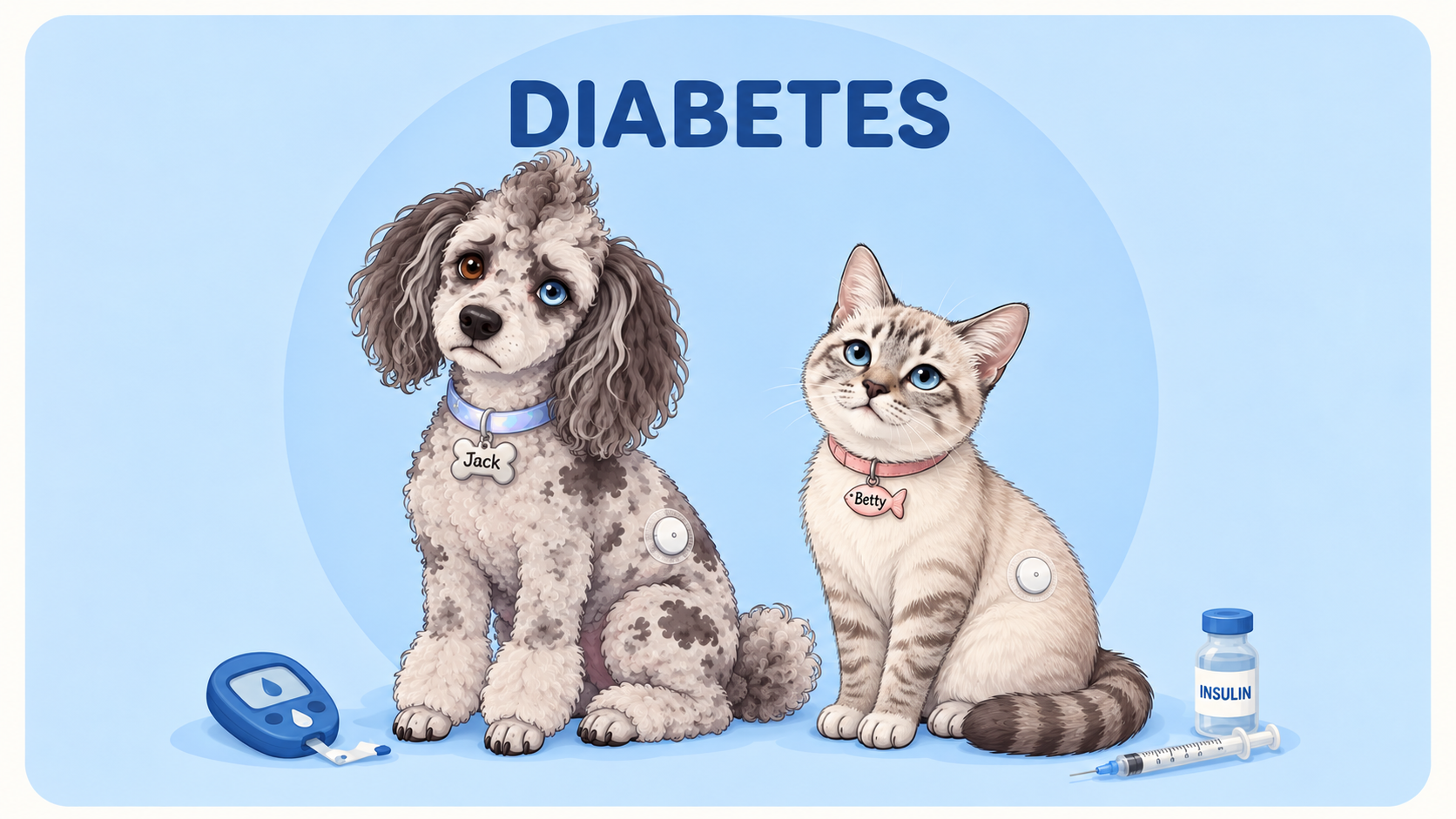
🐾 DIABETES IN DOGS & CATS
A Practical Guide for Owners of Diabetic Pets
Diabetes mellitus occurs when the body cannot properly use glucose (sugar) for energy because there is not enough effective insulin.
Insulin acts like a key that allows glucose to move from the bloodstream into the body's cells. Without enough insulin, glucose builds up in the blood while the cells cannot use it properly.
The kidneys remove excess glucose into the urine, which pulls water with it:
High blood sugar → glucose in urine → increased urination → increased thirst
Diabetes also increases the risk of urinary tract infections because glucose in the urine promotes bacterial growth.
Because the cells cannot properly access glucose for energy, diabetic pets may also eat more while losing weight and may become weak or less active.
🩺 COMMON SIGNS OF DIABETES
The most common signs of diabetes are:
- Increased thirst
- Increased urination
- Increased appetite
- Weight loss despite eating
- Weakness or decreased activity
Additional signs can vary between dogs and cats:
- Dogs: Cataracts are a common complication of diabetes.
- Cats: Some develop a plantigrade stance—they walk on their hocks rather than standing normally on their toes.
💉 TREATMENT
The goal is to improve clinical signs, maintain a healthy weight, and prevent dangerously low blood sugar.
Treatment may include:
- Insulin
- Oral medication for some newly diagnosed cats
- Appropriate nutrition
- Consistent feeding
- Regular monitoring
Treatment is individualized for every pet. Insulin doses may change over time based on clinical signs, body weight, glucose monitoring, and other test results.
💉 Insulin Injections
Don't worry—giving insulin is easier than it sounds!
Many diabetic pets receive insulin every 12 hours, although the exact schedule depends on the insulin prescribed.
A 2-hour window before or after the usual dosing time is generally acceptable, as long as you follow your veterinarian's feeding and injection instructions and keep the meal size and feeding frequency consistent.
Consistency matters more than perfection.
Your veterinary team will teach you:
- How to store the insulin—usually in the refrigerator
- Which syringe to use (U-40 vs. U-100)
- How to measure the correct dose
- Where and how to give the injection
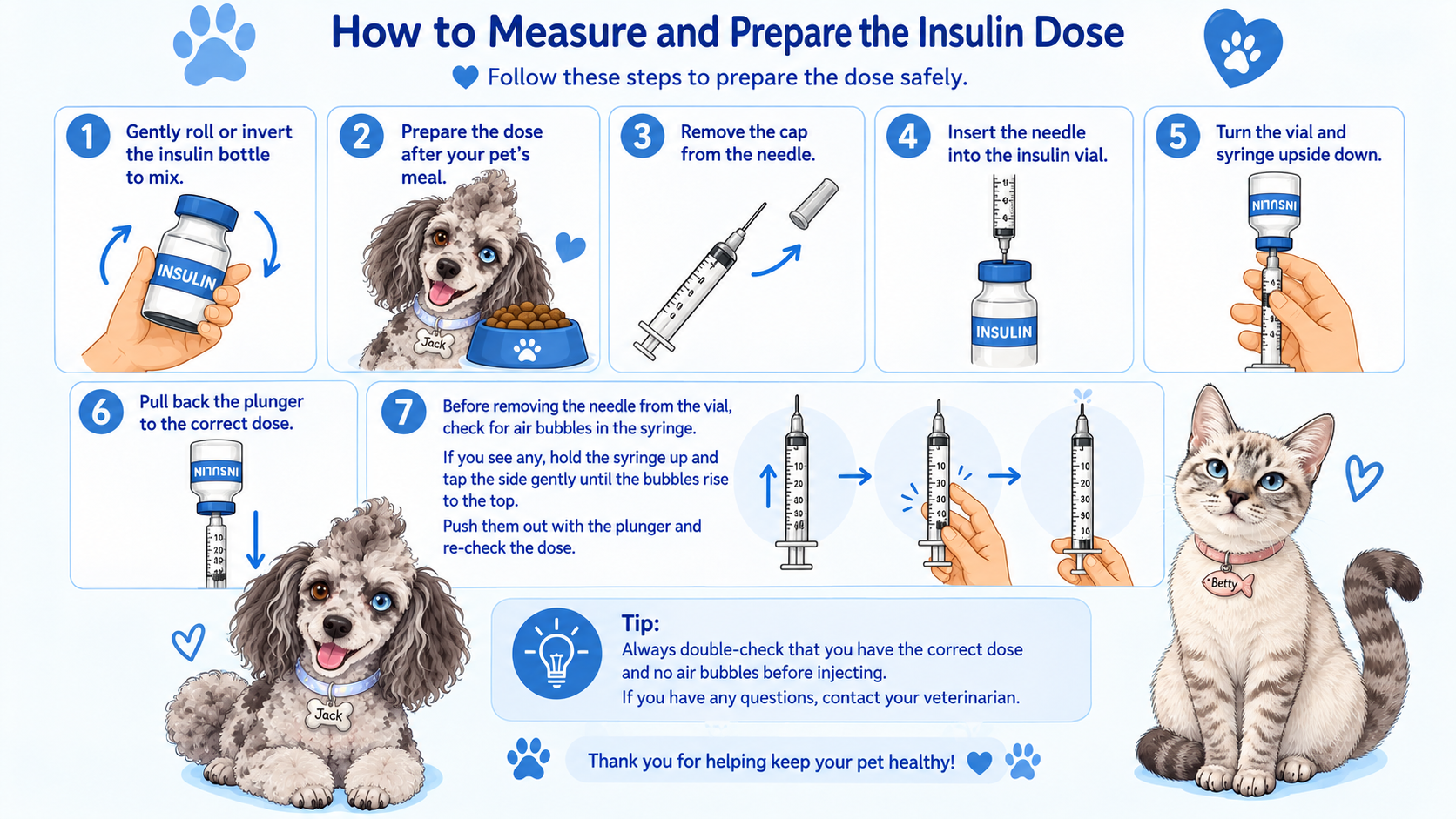
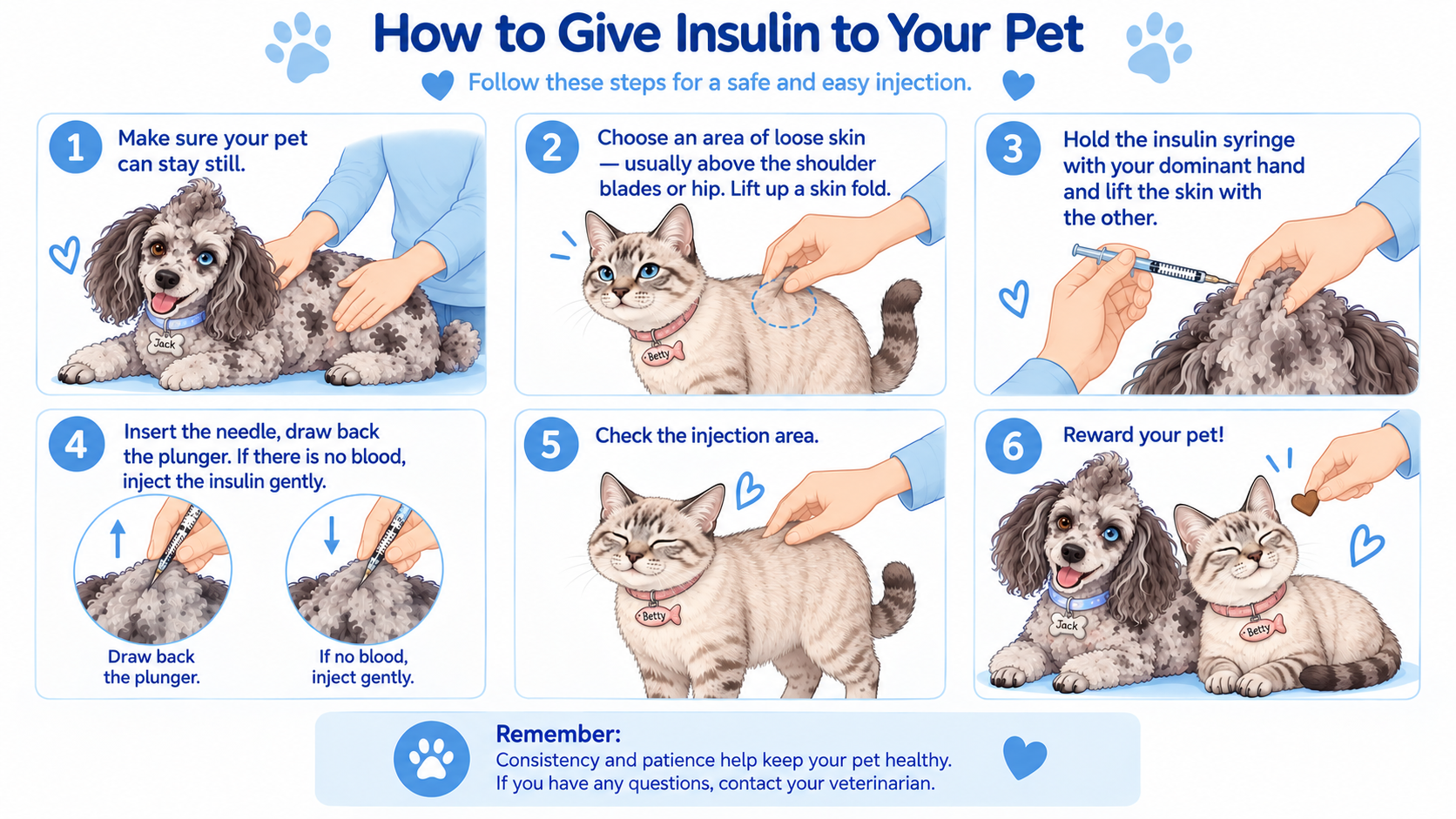
Never change the insulin dose or schedule without speaking with your veterinarian first.
Different types of insulin work differently in dogs and cats. The best insulin is the one that provides safe, consistent control for your pet.
Insulin that has been properly refrigerated and handled may sometimes remain usable beyond the labeled in-use period. However, replace insulin if it becomes discolored, develops particles or clumps, changes consistency, or appears to be losing effectiveness.
If your pet's diabetes becomes poorly controlled, your veterinarian may recommend replacing the vial.
🐶 DIABETES IN DOGS
Most dogs with naturally occurring diabetes have an absolute insulin deficiency and require lifelong insulin therapy.
With appropriate treatment and monitoring, most dogs can maintain a good quality of life.
The AAHA guidelines emphasize an important message:
Treat the dog, not just the number.
A well-controlled diabetic dog does not need perfect glucose readings. Our goals are to:
- Control excessive thirst, urination, and hunger
- Maintain a stable, healthy weight
- Avoid dangerous low blood sugar
- Keep your dog feeling good
Occasional high glucose readings can be acceptable when your dog is feeling well, maintaining a stable weight, and their clinical signs are controlled.
Your dog's appetite, thirst, urination, weight, energy, and overall wellbeing are just as important as the glucose readings.
💉 Insulin Options For Dogs
There are several insulin options for diabetic dogs. Vetsulin or Caninsulin (porcine lente) and NPH insulin remain common first choices.
Newer long-acting basal insulins, such as insulin degludec, may be helpful for some dogs. They do not need to be given with meals, may allow once-daily dosing, and can offer more flexibility for dogs with unpredictable appetites or busy families.
The best insulin depends on your dog's individual needs, response to treatment, and lifestyle.
🍽️ Feeding & Diet For Diabetic Dogs
Consistency is extremely important.
- Feed the same amount at the same times each day.
- Follow your veterinarian's recommended diet and feeding schedule.
- Avoid major diet changes without discussing them with your veterinarian.
Treats should also be consistent in amount, timing, and nutritional content, because they can affect blood glucose control.
A high-fiber, lower-fat diet is generally preferred for diabetic dogs. Fiber can help slow glucose absorption and promote more consistent blood sugar levels.
🐱 DIABETES IN CATS
Diabetes in cats is somewhat different from diabetes in dogs. Insulin resistance plays an important role, especially in overweight cats.
Obesity, certain medications, and other health conditions can contribute to insulin resistance.
🍽️ Diet & Weight
A high-protein, low-carbohydrate diet is generally preferred for diabetic cats.
Weight management is especially important. Losing excess weight can improve insulin sensitivity, diabetic control, and may reduce insulin requirements or increase the chance of diabetic remission in some cats.
🌐 Learn More About Pet Obesity
💉 Insulin Options For Cats
ProZinc (protamine zinc insulin) and Glargine (Lantus) are common insulin choices for diabetic cats and can provide long-acting, consistent glucose control.
The best insulin depends on your cat's individual needs and response to treatment. Early treatment and regular monitoring may also improve the chance of diabetic remission.
💊 Oral Options For Some Cats
Some newly diagnosed cats may be candidates for oral medications called SGLT2 inhibitors, including Bexacat (bexagliflozin) and Senvelgo (velagliflozin).
These medications are NOT insulin. These medications lower blood sugar by causing glucose to be removed through the urine.
They are only appropriate for carefully selected cats that meet specific health criteria and have not previously received insulin.
Because they can cause diabetic ketoacidosis (DKA), including euglycemic DKA, they require careful screening and monitoring.
If a cat receiving one of these medications develops:
- Poor appetite
- Vomiting or diarrhea
- Lethargy or weakness
- Dehydration
- Weight loss
Stop the medication and contact your veterinarian immediately.
❤️ Diabetic Remission
One of the biggest differences between dogs and cats is that some diabetic cats can go into remission and no longer need insulin or other diabetes medication.
Remission means maintaining normal blood sugar without diabetes medication for at least four weeks.
Early treatment, appropriate nutrition, weight management, and good glucose control can improve the chance of remission.
Remission does not mean the diabetes is permanently cured. Cats can relapse, so continued weight management, a low-carbohydrate diet, and regular monitoring are important.
The goal is not just to control diabetes—it is to help your cat feel good and, when possible, achieve remission.
🚨 TOO LITTLE VS. TOO MUCH INSULIN
Understanding the difference is extremely important.
🔴 Too Little Insulin: High Blood Sugar
When there is not enough insulin, blood sugar remains too high.
In some pets, uncontrolled diabetes can progress to diabetic ketoacidosis (DKA).
🚨 Diabetic Ketoacidosis (DKA)
DKA is a life-threatening complication of diabetes that occurs when there is not enough insulin for the body to use glucose for energy.
The body begins breaking down fat instead, producing ketones that cause dangerous dehydration and changes in electrolytes and blood acidity.
Signs may include:
- Not eating
- Vomiting
- Diarrhea
- Severe weakness or lethargy
- Dehydration
- Weight loss
- Abnormal breathing
- Collapse
DKA is a medical emergency and usually requires hospitalization and intensive treatment.
Treatment includes IV fluids, insulin, electrolyte support, and addressing the underlying cause.
The sooner treatment begins, the better the chance of recovery.
🔵 Too Much Insulin: Hypoglycemia
Too much insulin can cause blood sugar to become dangerously low.
Signs may include:
- Weakness
- Extreme tiredness
- Shaking or trembling
- Unusual behavior
- Wobbliness or difficulty walking
- Confusion
- Seizures
- Collapse
- Loss of consciousness
Hypoglycemia is an emergency. Contact your veterinarian or an emergency veterinary hospital immediately.
If your pet is conscious and able to swallow, you may rub a small amount of Vetoquinol Nutri-Cal or Karo syrup/corn syrup on the gums while contacting an emergency veterinarian.

Keeping Nutri-Cal on hand can be helpful for diabetic pets in case of an unexpected low blood sugar episode.
Do not force anything into your pet's mouth if they are unconscious, having a seizure, or unable to swallow.
⚠️ WHAT IF MY PET DOES NOT EAT?
If your pet refuses food or eats significantly less than normal, contact your veterinarian before giving the usual insulin dose.
Do not automatically give the full insulin dose to a pet that is not eating.
Your veterinarian should provide you with a specific plan for missed meals or partial meals, since recommendations can vary depending on your pet and the type of insulin being used.
For dogs receiving insulin that is given with meals:
- Ate 50% or more → Give the full insulin dose.
- Ate less than 50% → Give ½ of the usual dose.
- Did not eat two meals well → Contact your veterinarian.
Some long-acting basal insulins do not need to be given with meals, so instructions may be different.
Never give extra or double insulin to make up for a missed or reduced dose.
📊 MONITORING DIABETES
The best way to monitor diabetes is to look at both your pet's clinical signs and glucose levels.
📈 Continuous Glucose Monitoring (CGM)
A continuous glucose monitor (CGM), such as the FreeStyle Libre, can track glucose throughout the day and provide a much clearer picture of how your pet's glucose changes between insulin doses.
CGMs can be especially helpful when starting or adjusting insulin and can make monitoring easier and less stressful at home.
The FreeStyle Libre is designed for humans and may occasionally read falsely low in pets. If the Libre shows a low glucose reading, always confirm it with the blood glucose meter recommended by your veterinarian before making any changes to insulin.

🩸 Blood Glucose Monitoring
Blood glucose monitoring with a pet-specific glucometer is another option and can be used at home to check glucose levels directly.
Your veterinarian may recommend a glucometer such as the AlphaTrak 3 .
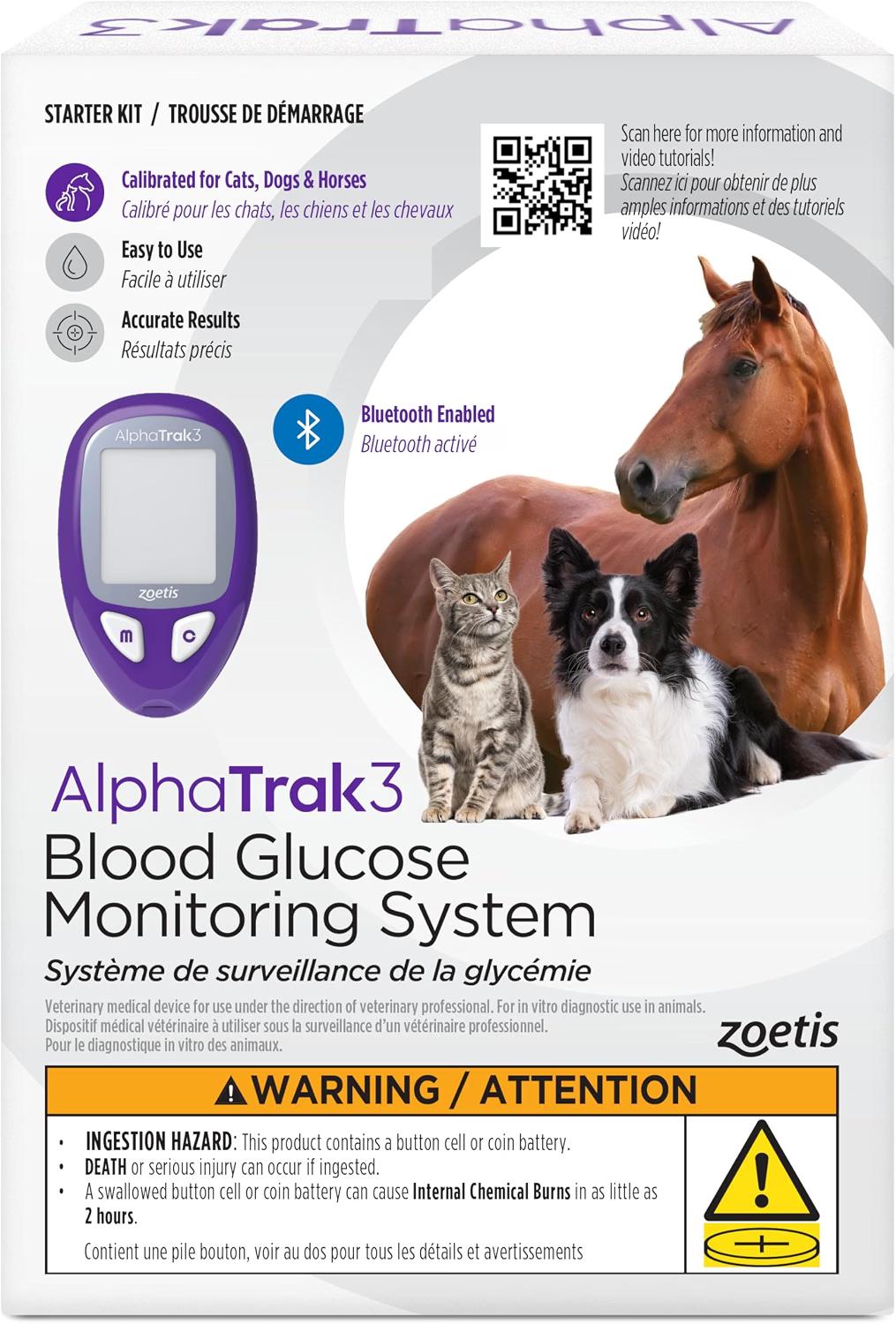
If a CGM shows a low reading, confirm it with your recommended blood glucometer.
At home, keep track of:
- Appetite
- Water consumption
- Urination
- Body weight
- Activity level
- Insulin doses
- Vomiting or diarrhea
- Any signs of low blood sugar
Home monitoring can be less stressful and more economical than performing every glucose curve in the hospital.
🌐 Learn More About Home Blood Glucose Curves
🩺 WHEN DIABETES ISN'T REGULATING AS EXPECTED
Some health conditions can make diabetes more difficult to control by affecting how the body responds to insulin.
Your veterinarian may look for other conditions, including:
- Pancreatitis
- Dental disease
- Urinary tract infections
- Obesity
- Cushing's disease
- Thyroid disease
- Acromegaly, especially in cats
- Other infections or inflammatory conditions
- Certain medications, including corticosteroids and some hormone medications
Treating these underlying conditions can help improve insulin sensitivity and diabetic control.
If your pet's diabetes is not regulating as expected, don't simply increase the insulin dose. Talk with your veterinarian about whether another health condition could be contributing.
❤️ Living With Diabetes
A diabetes diagnosis can feel overwhelming at first, but most owners become comfortable giving insulin and managing their pet's routine very quickly.
Successful management depends on:
Consistent meals + consistent treatment + regular monitoring + watching for changes
The goal is not to achieve a "perfect" blood glucose number every day.
The goal is a pet that feels good, maintains a healthy weight, and avoids both persistent high blood sugar and dangerous low blood sugar.
With proper treatment and monitoring, diabetic dogs and cats can have an excellent quality of life.
❓HAVE MORE QUESTIONS?
We’re here to help you keep your furbaby happy, healthy, and thriving! ❤️
For additional pet health information, visit Veterinary Partner by VIN—a trusted resource with veterinarian-written articles.
🔎 Tip: Search “VIN + your question” on Google for easier results, as the website’s search feature can be a little tricky.
📞 And remember, calling us is always free!
If you have questions or concerns about your pet, please don’t hesitate to reach out. We’re happy to help. 🐾